



Resource Center
Communication and sharing promote growth
Joining Hands for Development!
Communication and sharing promote growth
Joining Hands for Development!


Over the decades of data center development, air cooling technology has consistently been the mainstream choice. However, the launch of NVIDIA's GB200 series products is decisively shattering this equilibrium. As computational density reaches new heights, traditional cooling methods can no longer meet the demands. Liquid cooling technology is now formally stepping from behind the scenes to center stage, becoming the critical infrastructure supporting AI computing power.
1- Fundamental Shifts on the Demand Side
a. Power Density Breaks the Critical Point
The power density of a GB200 NVL72 rack is projected to exceed 30 kW per rack, a figure far beyond the 15-20 kW thermal dissipation limit of traditional air cooling. This signifies:
· An Inevitable Choice of Technology Path: Liquid cooling transitions from "worth considering" to the "only viable option."
· A Qualitative Change in Market Scope: Each GB200 deployment represents a definitive demand for liquid cooling.
· A Significant Increase in Value: The liquid cooling system for a single rack reaches a value level of several hundred thousand RMB.
b. Reliability Requirements Are Upgraded
As the compute density per rack increases, the business value it carries grows exponentially. The reliability of the liquid cooling system is directly linked to:
· Business Continuity: A single cooling failure could lead to computing power losses worth millions.
· System Lifespan: For every 10°C temperature increase, the lifespan of electronic components is halved.
· Performance Stability: Cooling efficiency directly impacts whether chips can sustain peak performance.
2- Comprehensive Enhancement of Technical Requirements
a. Leap in Cooling Efficiency Demands
The GB200 places unprecedented demands on the cooling system:
· Doubling of Heat Transfer Performance: The thermal conductivity of cooling plates needs to be 3-5 times that of traditional solutions.
· Order-of-Magnitude Reduction in Contact Thermal Resistance: Requires contact thermal resistance to be reduced by one order of magnitude.
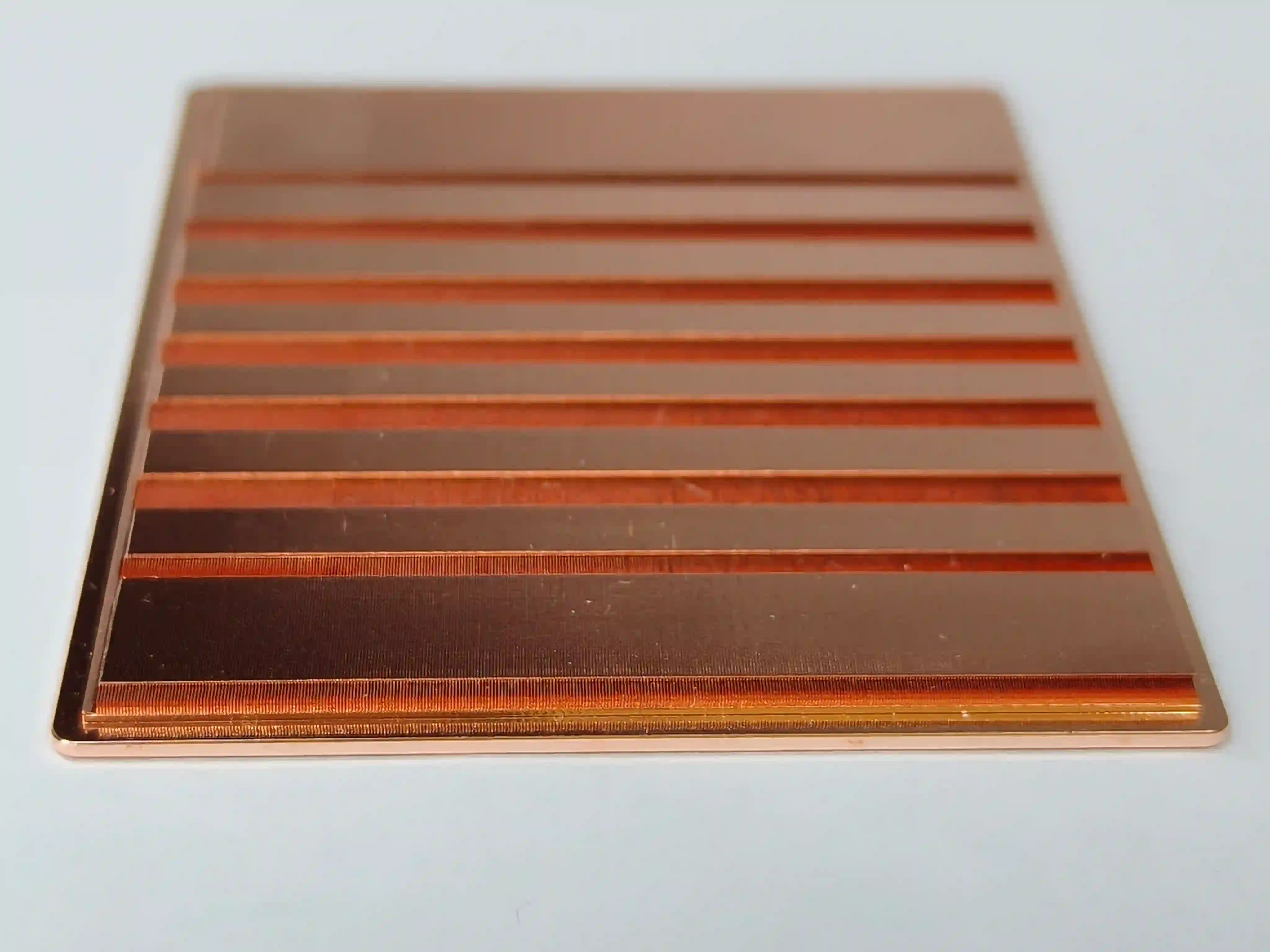
Figure 1 - Microchannel cold plate
b. Flow Rate Precision Control
· Requires flow control accuracy within ±1%.
· Supports dynamic flow rate adjustment to adapt to different load conditions.
c. Temperature Uniformity
· Temperature difference across the chip surface must be controlled within 5°C.
· Prevents local hotspots from affecting system stability.
3- Leap in System Integration Complexity
Liquid cooling systems have evolved from simple component supply to complex system engineering:
a. Traditional Model:
· Provision of standardized cooling plates.
· Simple piping connections.
· Basic monitoring functionality.
b. The GB200 Era:
· Rack-level liquid cooling architecture design.
· Intelligent flow distribution systems.
· Real-time health status monitoring.
· Predictive maintenance capabilities.
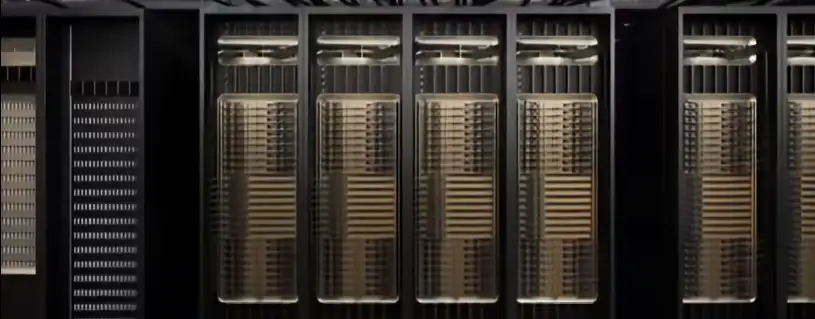
Figure 2 - NVIDIA GB200 cabinet
4- Comprehensive Elevation of Competitive Barriers
In the new market environment, companies must now clear significantly higher thresholds:
a. Technical Barriers
Liquid cooling companies must break through the limitations of single disciplines and build a comprehensive, cross-disciplinary technological system. The deep integration of multi-disciplinary technologies such as microchannel design, materials science, and fluid dynamics has become the basic entry requirement. Furthermore, capabilities in chip-level thermal simulation and optimization truly test a company's profound technical accumulation. This is no longer merely a matter of simple process improvement, but a systemic engineering challenge requiring long-term R&D investment.
b. Certification Barriers
The industry certification system is becoming increasingly stringent. Companies must not only pass the rigorous reliability tests mandated by server manufacturers but also obtain technical certification from the original chip manufacturers. This dual certification requirement not only validates a product's technical performance but also rigorously tests a company's quality management systems and its ability to ensure stable, continuous supply. It has become an essential passport for entering the core supply chain.
c. Service Barriers
As liquid cooling systems are upgraded to core subsystems, service capability has become a critical competitive factor. Companies must establish nationwide rapid-response networks and build professional, 24/7 operational and maintenance systems. This service capability demands not just the timeliness of technical support but also comprehensive end-to-end service solutions encompassing preventative maintenance and emergency response, truly positioning the company as a trustworthy partner for its clients.
We will regularly update you on technologies and information related to thermal design and lightweighting, sharing them for your reference. Thank you for your attention to Walmate.
Scan to follow
测试测试测试测试测试测试测试测试测试测试测试测试测试测试测试测试测试测试测试测试测试测试测试测试测试测试测试测试测试测试测试测试测试测试测试测试测试测试测试测试测试测试测试测试测试测试测试测试测试测试测试测试测试测试测试测试测试测试测试
测试测试测试测试测试测试测试测试测试测试测试测试测试测试测试测试测试测试测试测试测试测试测试测试测试测试测试测试测试测试测试测试测试测试测试测试测试测试测试测试测试测试测试测试测试测试测试测试测试测试测试测试测试测试测试测试测试测试测试
测试测试测试测试测试测试测试测试测试测试测试测试测试测试测试测试测试测试测试测试测试测试测试测试测试测试测试测试测试测试测试测试测试测试测试测试测试测试测试测试测试测试测试测试测试测试测试测试测试测试测试测试测试测试测试测试测试测试测试
测试测试测试测试测试测试测试测试测试测试测试测试测试测试测试测试测试测试测试测试测试测试测试测试测试测试测试测试测试测试测试测试测试测试测试测试测试测试测试测试测试测试测试测试测试测试测试测试测试测试测试测试测试测试测试测试测试测试测试
测试测试测试测试测试测试测试测试测试测试测试测试测试测试测试测试测试测试测试测试测试测试测试测试测试测试测试测试测试测试测试测试测试测试测试测试测试测试测试测试测试测试测试测试测试测试测试测试测试测试测试测试测试测试测试测试测试测试测试
测试测试测试测试测试测试测试测试测试测试测试测试测试测试测试测试测试测试测试测试测试测试测试测试测试测试测试测试测试测试测试测试测试测试测试测试测试测试测试测试测试测试测试测试测试测试测试测试测试测试测试测试测试测试测试测试测试测试测试
测试测试测试测试测试测试测试测试测试测试测试测试测试测试测试测试测试测试测试测试测试测试测试测试测试测试测试测试测试测试测试测试测试测试测试测试测试测试测试测试测试测试测试测试测试测试测试测试测试测试测试测试测试测试测试测试测试测试测试
测试测试测试测试测试测试测试测试测试测试测试测试测试测试测试测试测试测试测试测试测试测试测试测试测试测试测试测试测试测试测试测试测试测试测试测试测试测试测试测试测试测试测试测试测试测试测试测试测试测试测试测试测试测试测试测试测试测试测试
测试测试测试测试测试测试测试测试测试测试测试测试测试测试测试测试测试测试测试测试测试测试测试测试测试测试测试测试测试测试测试测试测试测试测试测试测试测试测试测试测试测试测试测试测试测试测试测试测试测试测试测试测试测试测试测试测试测试测试
测试测试测试测试测试测试测试测试测试测试测试测试测试测试测试测试测试测试测试测试测试测试测试测试测试测试测试测试测试测试测试测试测试测试测试测试测试测试测试测试测试测试测试测试测试测试测试测试测试测试测试测试测试测试测试测试测试测试测试
测试测试测试测试测试测试测试测试测试测试测试测试测试测试测试测试测试测试测试测试测试测试测试测试测试测试测试测试测试测试测试测试测试测试测试测试测试测试测试测试测试测试测试测试测试测试测试测试测试测试测试测试测试测试测试测试测试测试测试
测试测试测试测试测试测试测试测试测试测试测试测试测试测试测试测试测试测试测试测试测试测试测试测试测试测试测试测试测试测试测试测试测试测试测试测试测试测试测试测试测试测试测试测试测试测试测试测试测试测试测试测试测试测试测试测试测试测试测试
测试测试测试测试测试测试测试测试测试测试测试测试测试测试测试测试测试测试测试测试测试测试测试测试测试测试测试测试测试测试测试测试测试测试测试测试测试测试测试测试测试测试测试测试测试测试测试测试测试测试测试测试测试测试测试测试测试测试测试
测试测试测试测试测试测试测试测试测试测试测试测试测试测试测试测试测试测试测试测试测试测试测试测试测试测试测试测试测试测试测试测试测试测试测试测试测试测试测试测试测试测试测试测试测试测试测试测试测试测试测试测试测试测试测试测试测试测试测试
测试测试测试测试测试测试测试测试测试测试测试测试测试测试测试测试测试测试测试测试测试测试测试测试测试测试测试测试测试测试测试测试测试测试测试测试测试测试测试测试测试测试测试测试测试测试测试测试测试测试测试测试测试测试测试测试测试测试测试
测试测试测试测试测试测试测试测试测试测试测试测试测试测试测试测试测试测试测试测试测试测试测试测试测试测试测试测试测试测试测试测试测试测试测试测试测试测试测试测试测试测试测试测试测试测试测试测试测试测试测试测试测试测试测试测试测试测试测试
测试测试测试测试测试测试测试测试测试测试测试测试测试测试测试测试测试测试测试测试测试测试测试测试测试测试测试测试测试测试测试测试测试测试测试测试测试测试测试测试测试测试测试测试测试测试测试测试测试测试测试测试测试测试测试测试测试测试测试
测试测试测试测试测试测试测试测试测试测试测试测试测试测试测试测试测试测试测试测试测试测试测试测试测试测试测试测试测试测试测试测试测试测试测试测试测试测试测试测试测试测试测试测试测试测试测试测试测试测试测试测试测试测试测试测试测试测试测试
测试测试测试测试测试测试测试测试测试测试测试测试测试测试测试测试测试测试测试测试测试测试测试测试测试测试测试测试测试测试测试测试测试测试测试测试测试测试测试测试测试测试测试测试测试测试测试测试测试测试测试测试测试测试测试测试测试测试测试
测试测试测试测试测试测试测试测试测试测试测试测试测试测试测试测试测试测试测试测试测试测试测试测试测试测试测试测试测试测试测试测试测试测试测试测试测试测试测试测试测试测试测试测试测试测试测试测试测试测试测试测试测试测试测试测试测试测试测试