



Resource Center
Communication and sharing promote growth
Joining Hands for Development!
Communication and sharing promote growth
Joining Hands for Development!


In data center liquid cooling, deionized water is the mainstream cooling medium. Customer drawings often contain only a few words on surface treatment requirements, yet those few words determine whether the cold plate can survive the operating conditions and reach its design life.
Upon receiving the drawing, we typically do three things.
First step: Understand the intent – what does “nickel plating” on a copper cold plate actually aim to solve?
When a customer specifies “nickel plating,” the intent is to isolate copper from deionized water and prevent corrosion. But plating itself is not the end goal – we push further with these follow-ups:
·Is the film thickness specified? If not, we recommend a value based on service life requirements.
·Are there any porosity testing requirements? Pinholes in the plating layer can allow deionized water to penetrate, leading to localized perforation.
·Are post-plate cleanliness levels defined? Residual SO₄²⁻/Cl⁻ act as corrosion seeds.
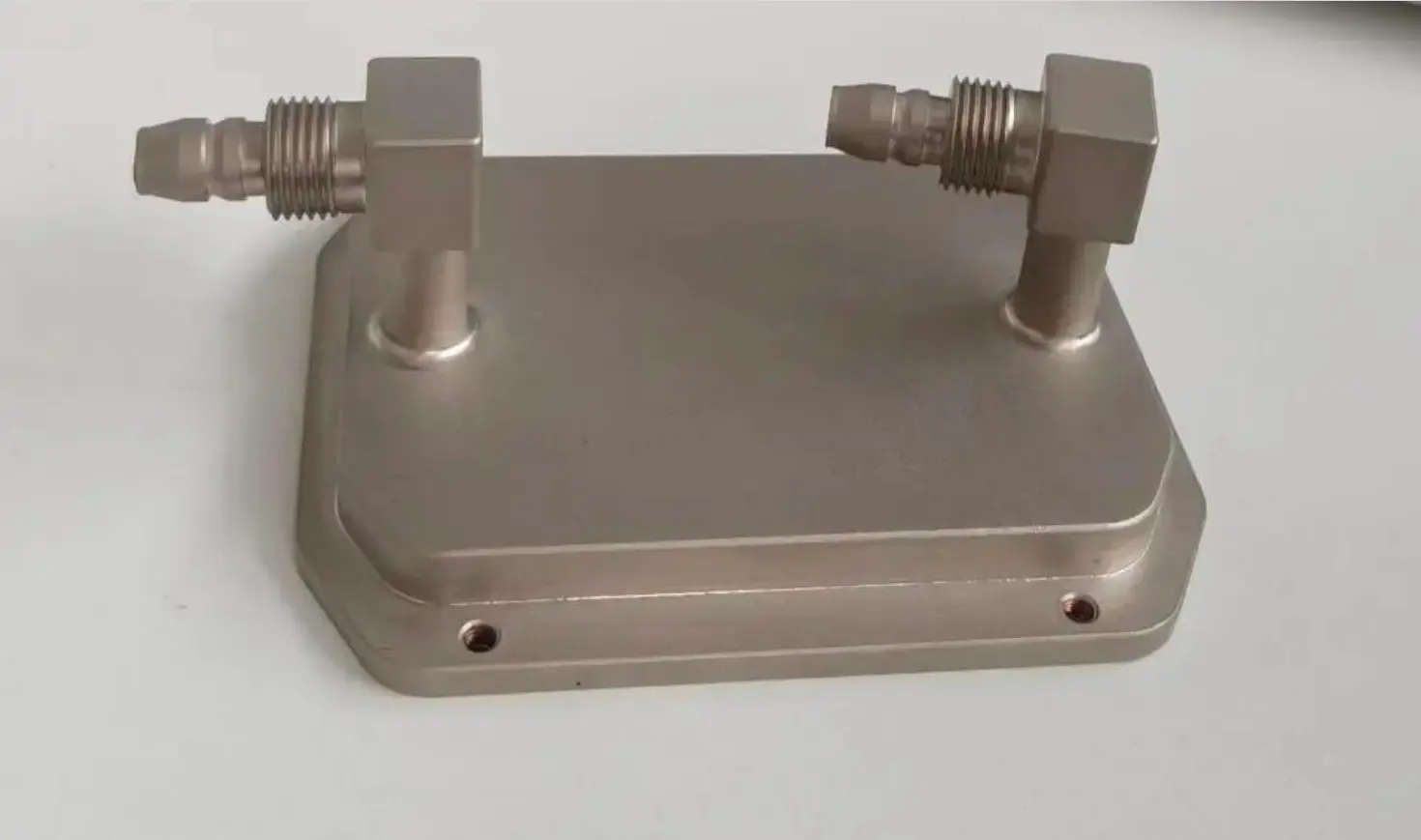
Figure 1 – Nickel plating on copper cold plate
Our approach: translate “nickel plating” into a verifiable parameter checklist and get both parties’ sign-off. We don’t assume the customer knows all the details, nor do we assume our supplier will automatically get everything right.
Second step: flag the blind spots – what the drawing says may not be enough
Case Study: A customer’s drawing specified “anodize aluminum parts, film thickness 15 μm.”
We asked: Are there any color requirements? Since the color of the part may be dyed into another after anodizing, and the customer will have visual acceptance expectations. More importantly, thickness uniformity – are the micro-channel inner walls adequately covered? That directly affects heat dissipation and corrosion consistency.
The customer had previously focused only on appearance color, without realizing that film thickness uniformity needed to be specified. We supplemented the requirement with: film thickness tolerance ±15%, and cross-sectional sampling inspections in micro-channel zones.
Third step: offer options – not a single answer, but a risk trade-off
Case study: A customer’s drawing specified “mixed copper and aluminium, each with its own standard surface treatment.”
Our assessment: The potential difference between copper and aluminum creates a galvanic corrosion circuit in deionized water, accelerating corrosion on the aluminum side. But this does not mean “it cannot be done”; rather, it just demands extra measures.
·Option A – Physical isolation: use insulating joints at fluid connections to break the potential difference.
·Option B – Corrosion inhibitor as a fallback: add inhibitor to the coolant and verify compatibility via dynamic loop testing per ASTM D2570.
·Option C – Unify material: all copper or all aluminum to avoid galvanic issues, while reassessing thermal resistance and cost
Customers select the option based on their own risk tolerance, and we will assist with validation.
Conclusion
A few words on a drawing about surface treatment actually encode a whole chain of decisions – material, film thickness, process, and inspection. We are not a supplier that simply “manufactures according to drawings”; we are a partner that “thoroughly analyzes drawings, identifies blind spots, and completes validation items.”
If you have drawings on hand, we can quickly review them and highlight the points that require alignment and validation.
We will regularly update you on technologies and information related to thermal design and lightweighting, sharing them for your reference. Thank you for your attention to Walmate.
Scan to follow
测试测试测试测试测试测试测试测试测试测试测试测试测试测试测试测试测试测试测试测试测试测试测试测试测试测试测试测试测试测试测试测试测试测试测试测试测试测试测试测试测试测试测试测试测试测试测试测试测试测试测试测试测试测试测试测试测试测试测试
测试测试测试测试测试测试测试测试测试测试测试测试测试测试测试测试测试测试测试测试测试测试测试测试测试测试测试测试测试测试测试测试测试测试测试测试测试测试测试测试测试测试测试测试测试测试测试测试测试测试测试测试测试测试测试测试测试测试测试
测试测试测试测试测试测试测试测试测试测试测试测试测试测试测试测试测试测试测试测试测试测试测试测试测试测试测试测试测试测试测试测试测试测试测试测试测试测试测试测试测试测试测试测试测试测试测试测试测试测试测试测试测试测试测试测试测试测试测试
测试测试测试测试测试测试测试测试测试测试测试测试测试测试测试测试测试测试测试测试测试测试测试测试测试测试测试测试测试测试测试测试测试测试测试测试测试测试测试测试测试测试测试测试测试测试测试测试测试测试测试测试测试测试测试测试测试测试测试
测试测试测试测试测试测试测试测试测试测试测试测试测试测试测试测试测试测试测试测试测试测试测试测试测试测试测试测试测试测试测试测试测试测试测试测试测试测试测试测试测试测试测试测试测试测试测试测试测试测试测试测试测试测试测试测试测试测试测试
测试测试测试测试测试测试测试测试测试测试测试测试测试测试测试测试测试测试测试测试测试测试测试测试测试测试测试测试测试测试测试测试测试测试测试测试测试测试测试测试测试测试测试测试测试测试测试测试测试测试测试测试测试测试测试测试测试测试测试
测试测试测试测试测试测试测试测试测试测试测试测试测试测试测试测试测试测试测试测试测试测试测试测试测试测试测试测试测试测试测试测试测试测试测试测试测试测试测试测试测试测试测试测试测试测试测试测试测试测试测试测试测试测试测试测试测试测试测试
测试测试测试测试测试测试测试测试测试测试测试测试测试测试测试测试测试测试测试测试测试测试测试测试测试测试测试测试测试测试测试测试测试测试测试测试测试测试测试测试测试测试测试测试测试测试测试测试测试测试测试测试测试测试测试测试测试测试测试
测试测试测试测试测试测试测试测试测试测试测试测试测试测试测试测试测试测试测试测试测试测试测试测试测试测试测试测试测试测试测试测试测试测试测试测试测试测试测试测试测试测试测试测试测试测试测试测试测试测试测试测试测试测试测试测试测试测试测试
测试测试测试测试测试测试测试测试测试测试测试测试测试测试测试测试测试测试测试测试测试测试测试测试测试测试测试测试测试测试测试测试测试测试测试测试测试测试测试测试测试测试测试测试测试测试测试测试测试测试测试测试测试测试测试测试测试测试测试
测试测试测试测试测试测试测试测试测试测试测试测试测试测试测试测试测试测试测试测试测试测试测试测试测试测试测试测试测试测试测试测试测试测试测试测试测试测试测试测试测试测试测试测试测试测试测试测试测试测试测试测试测试测试测试测试测试测试测试
测试测试测试测试测试测试测试测试测试测试测试测试测试测试测试测试测试测试测试测试测试测试测试测试测试测试测试测试测试测试测试测试测试测试测试测试测试测试测试测试测试测试测试测试测试测试测试测试测试测试测试测试测试测试测试测试测试测试测试
测试测试测试测试测试测试测试测试测试测试测试测试测试测试测试测试测试测试测试测试测试测试测试测试测试测试测试测试测试测试测试测试测试测试测试测试测试测试测试测试测试测试测试测试测试测试测试测试测试测试测试测试测试测试测试测试测试测试测试
测试测试测试测试测试测试测试测试测试测试测试测试测试测试测试测试测试测试测试测试测试测试测试测试测试测试测试测试测试测试测试测试测试测试测试测试测试测试测试测试测试测试测试测试测试测试测试测试测试测试测试测试测试测试测试测试测试测试测试
测试测试测试测试测试测试测试测试测试测试测试测试测试测试测试测试测试测试测试测试测试测试测试测试测试测试测试测试测试测试测试测试测试测试测试测试测试测试测试测试测试测试测试测试测试测试测试测试测试测试测试测试测试测试测试测试测试测试测试
测试测试测试测试测试测试测试测试测试测试测试测试测试测试测试测试测试测试测试测试测试测试测试测试测试测试测试测试测试测试测试测试测试测试测试测试测试测试测试测试测试测试测试测试测试测试测试测试测试测试测试测试测试测试测试测试测试测试测试
测试测试测试测试测试测试测试测试测试测试测试测试测试测试测试测试测试测试测试测试测试测试测试测试测试测试测试测试测试测试测试测试测试测试测试测试测试测试测试测试测试测试测试测试测试测试测试测试测试测试测试测试测试测试测试测试测试测试测试
测试测试测试测试测试测试测试测试测试测试测试测试测试测试测试测试测试测试测试测试测试测试测试测试测试测试测试测试测试测试测试测试测试测试测试测试测试测试测试测试测试测试测试测试测试测试测试测试测试测试测试测试测试测试测试测试测试测试测试
测试测试测试测试测试测试测试测试测试测试测试测试测试测试测试测试测试测试测试测试测试测试测试测试测试测试测试测试测试测试测试测试测试测试测试测试测试测试测试测试测试测试测试测试测试测试测试测试测试测试测试测试测试测试测试测试测试测试测试
测试测试测试测试测试测试测试测试测试测试测试测试测试测试测试测试测试测试测试测试测试测试测试测试测试测试测试测试测试测试测试测试测试测试测试测试测试测试测试测试测试测试测试测试测试测试测试测试测试测试测试测试测试测试测试测试测试测试测试